
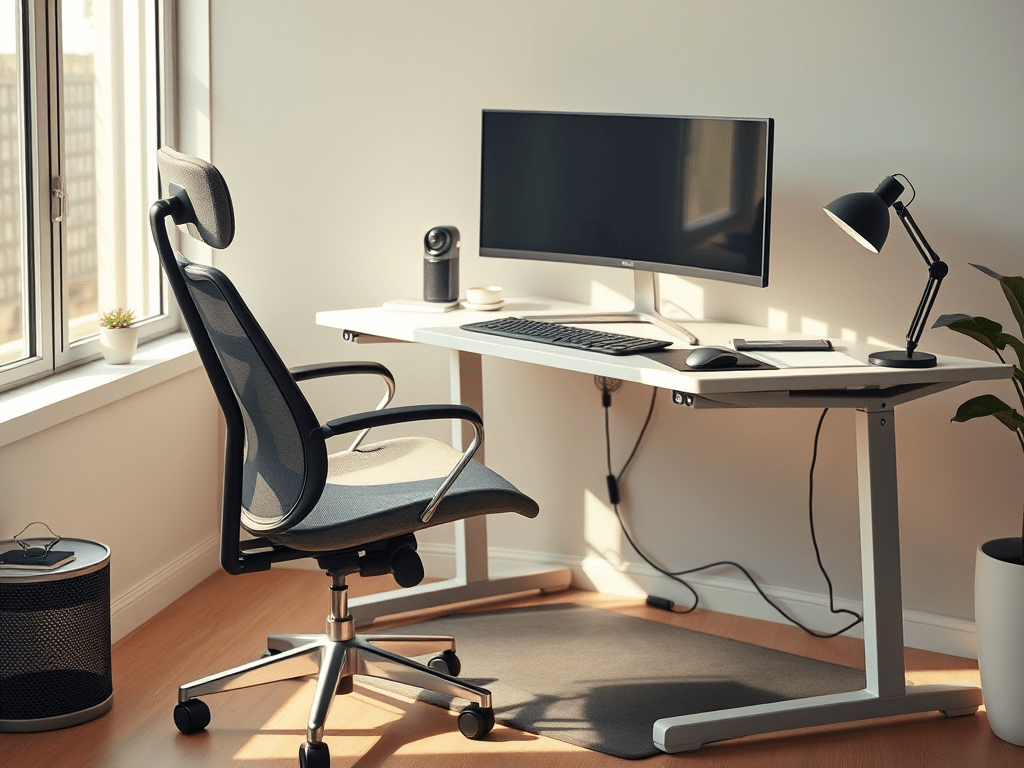
When I transformed my cluttered workspace into a fully ergonomic desk setup, I noticed an immediate difference—not just in how I felt (back pain? gone!), but in my daily output and mood. In this ultimate guide, I’ll walk you through every step I took, backed by proven tips, and include top-quality gear that helped me stay comfortable and productive all day.
- 🔑 Why Ergonomics Matter
- ✅ Step 1: Choose the Right Chair
- ✅ Step 2: Add a Sit‑Stand Desk
- ✅ Step 3: Position Your Monitor Correctly
- ✅ Step 4: Use Ergonomic Keyboard & Mouse
- ✅ Step 5: Add Anti‑Fatigue Mat & Cable Management
- ✅ Step 6: Optimize Layout & Lighting
- ✅ Step 7: Take Smart Breaks
- 🔄 FAQ Section (Boosts SEO and user engagement)
- 🛒 Gear Roundup
- 🧭 Final Thoughts
🔑 Why Ergonomics Matter
- Reduce fatigue & discomfort: Proper posture and support can eliminate shoulder, neck, and lower back strain backlinko.com
- Boost focus & energy: A setup that fits YOU means fewer breaks and more momentum.
- Long-term health: Prevents repetitive strain injuries and posture-related ailments.
✅ Step 1: Choose the Right Chair

A supportive chair with adjustable lumbar support and breathable mesh completely changed my work routine.
- Adjustable lumbar support to match my spine’s natural S‑curve
- Height & armrest adjustability for perfect alignment with desk and keyboard hbada.com integr8mps.com
Recommended Chair
Marsail Ergonomic Office Chair: High-back mesh, adjustable lumbar, headrest, 135° recline
Amazon Basics Puresoft PU Mid-Back Chair: Sleek PU-leather, height-adjustable, comfy padding—budget-friendly at Amazon.


✅ Step 2: Add a Sit‑Stand Desk
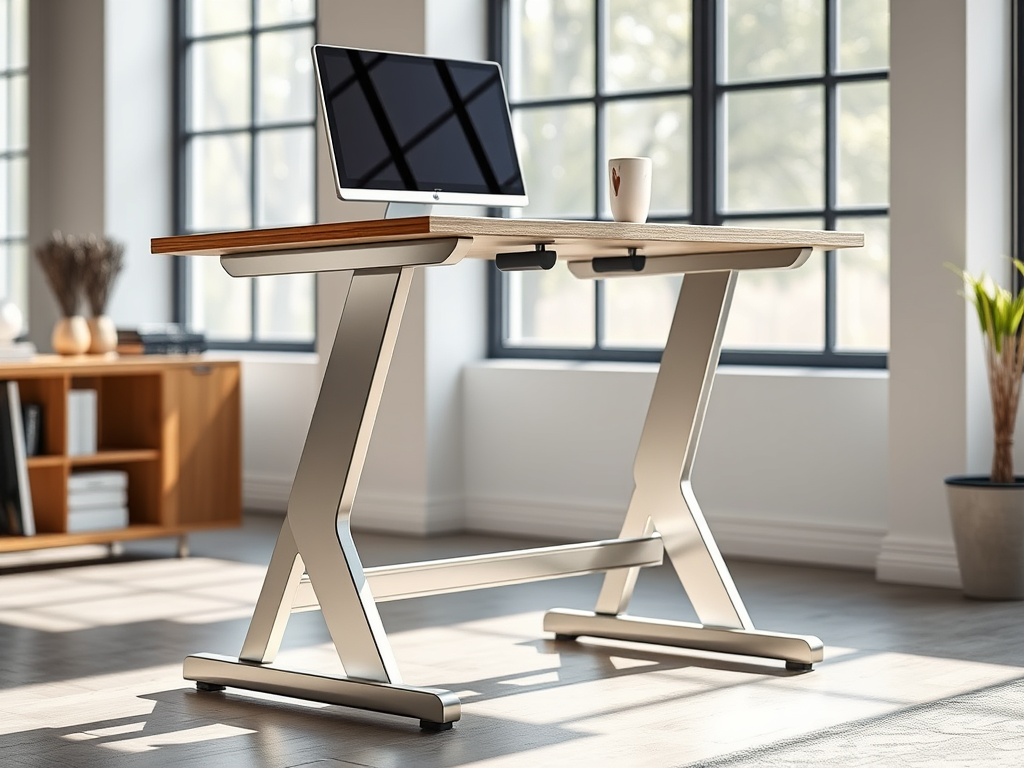
Switching between sitting and standing kept my legs fresh and focus strong .
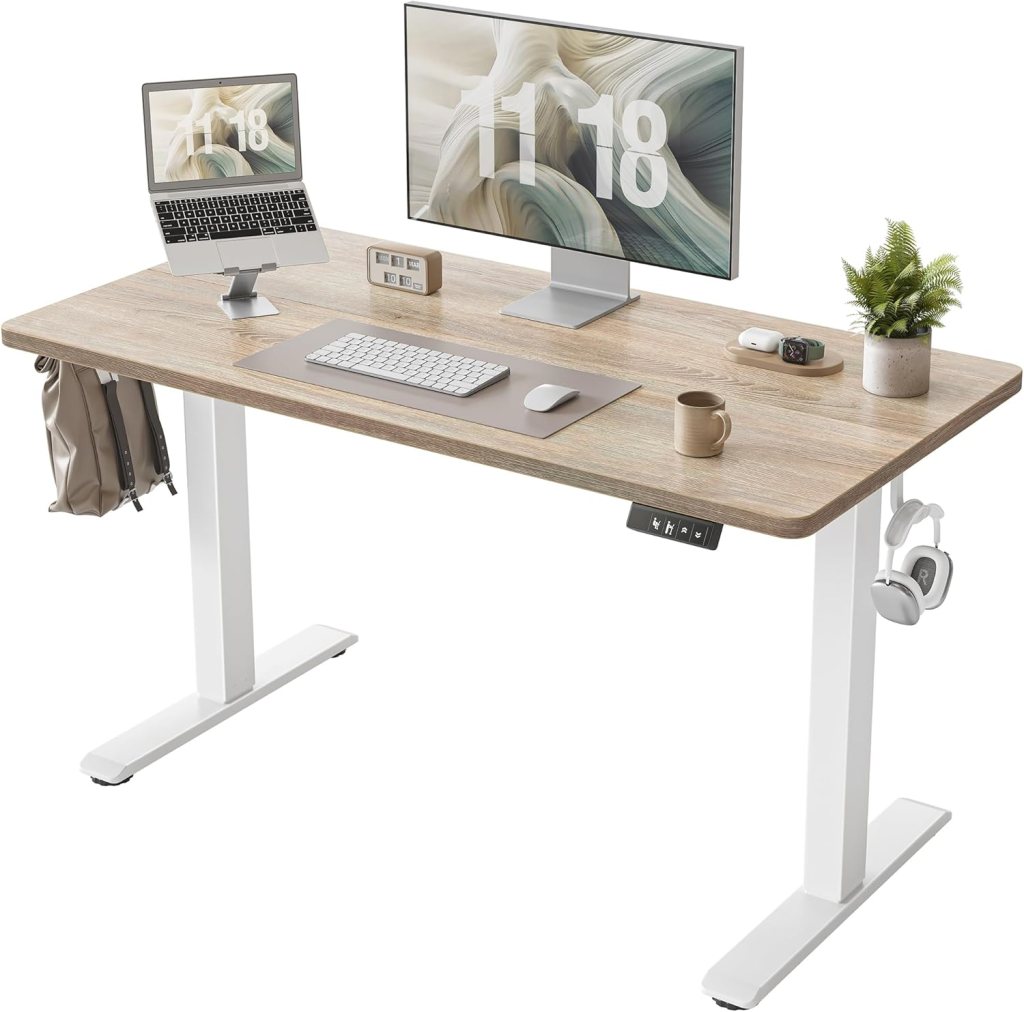
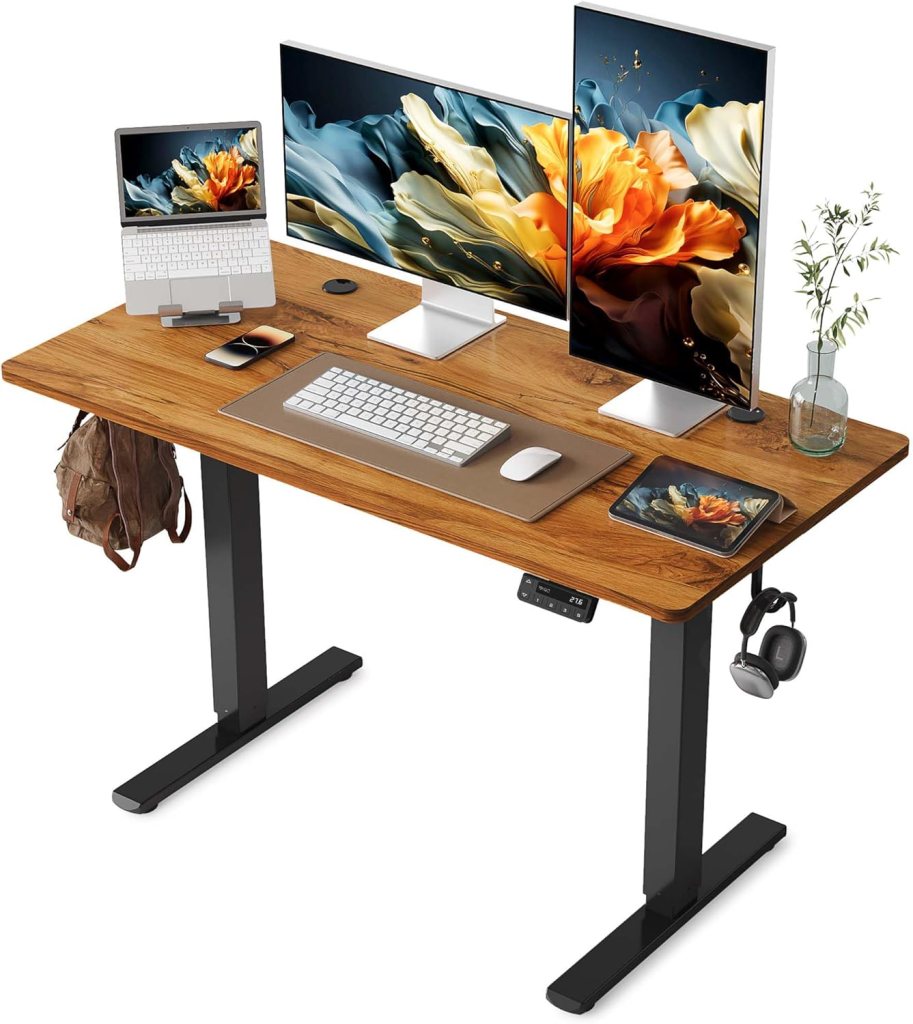
Recommended Desks
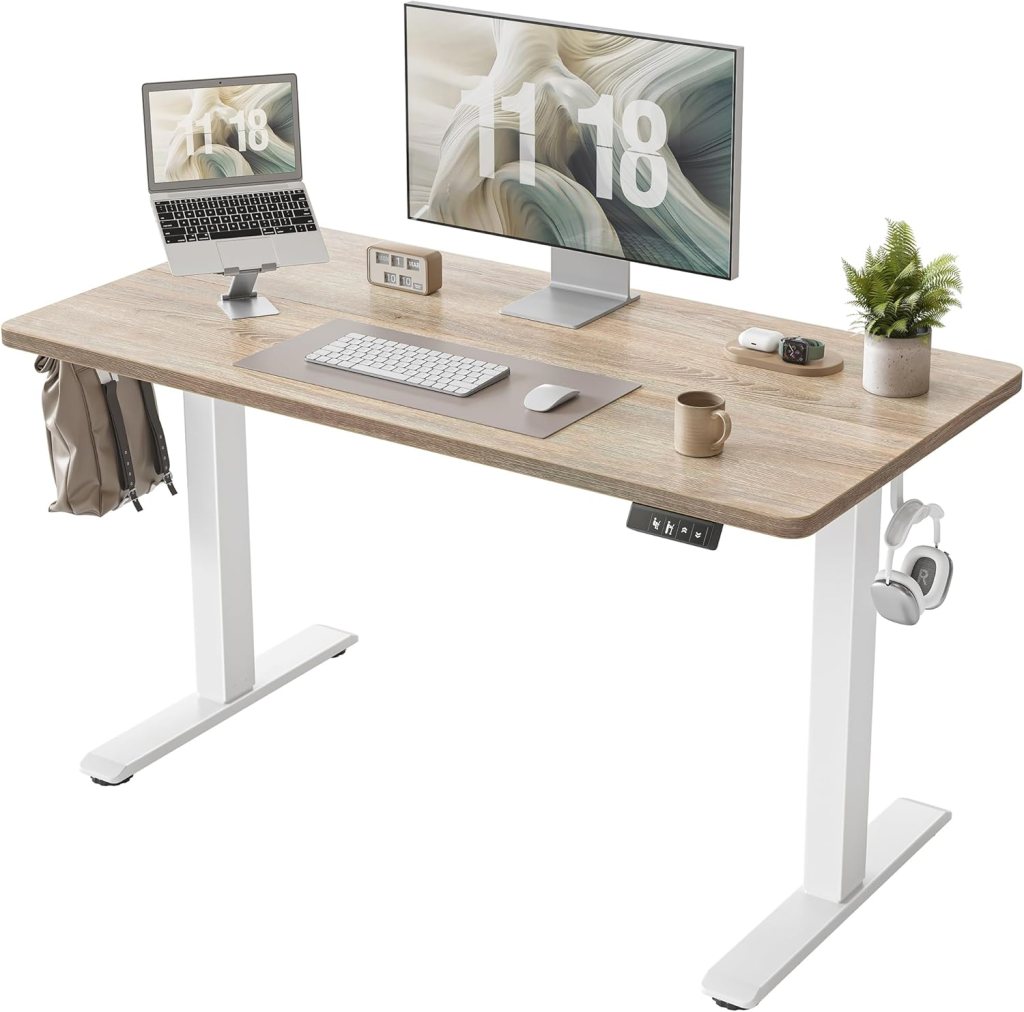
TIQLAB Electric Standing Desk 47″×24″: Solid build, smooth motor, programmable presets.
YIHAYO Electric Standing Desk 48″×24″: Stylish, sturdy, great height range.

✅ Step 3: Position Your Monitor Correctly
Your screen should be at eye level, arm’s length away—no more neck aches integra8mbps.com
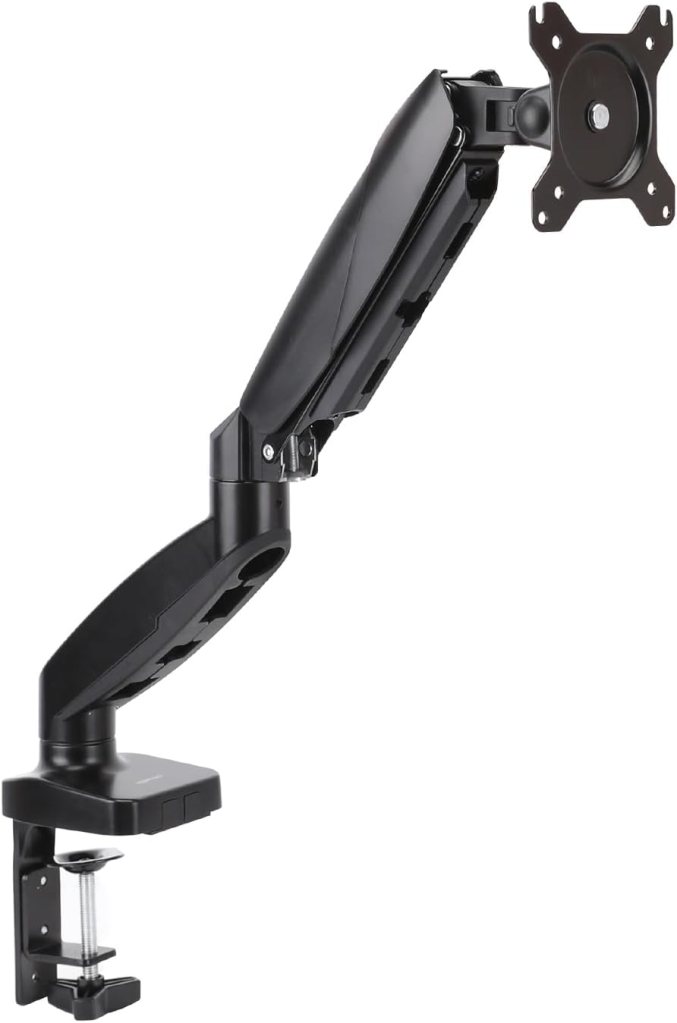
Recommended Monitor Arm
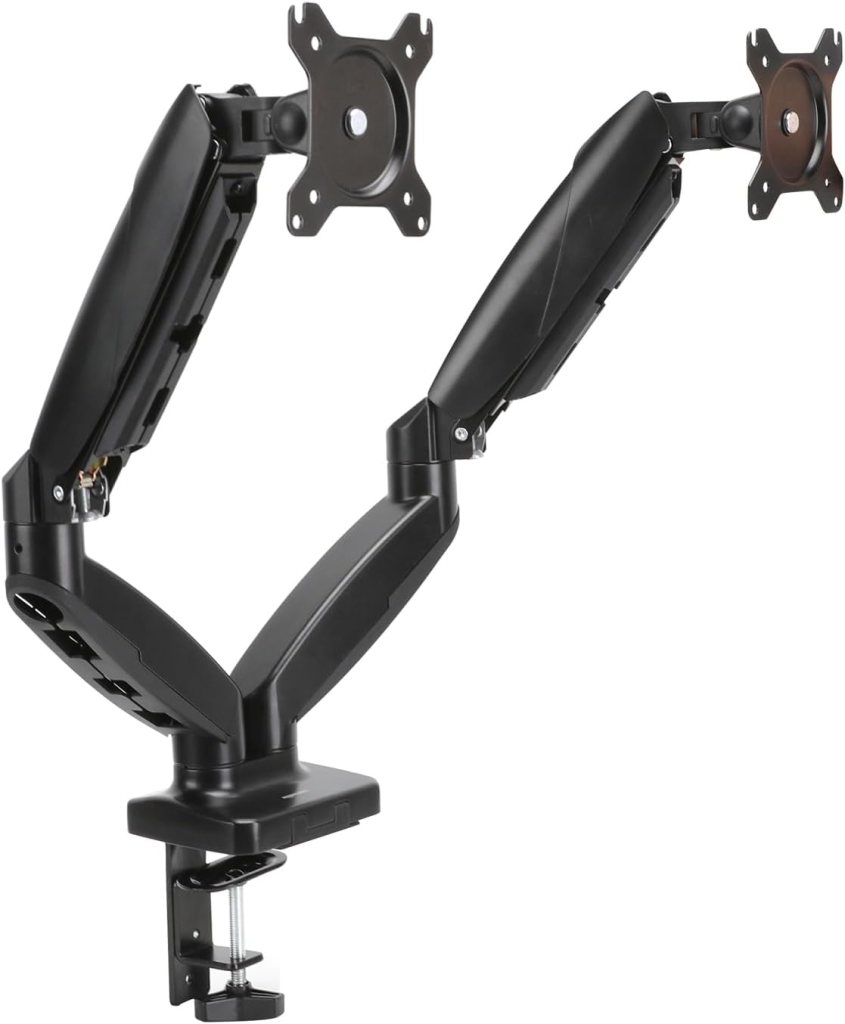
Amazon Basics Dual‑Monitor Gas‑Spring Arm: Supports two 32″ screens, full articulation
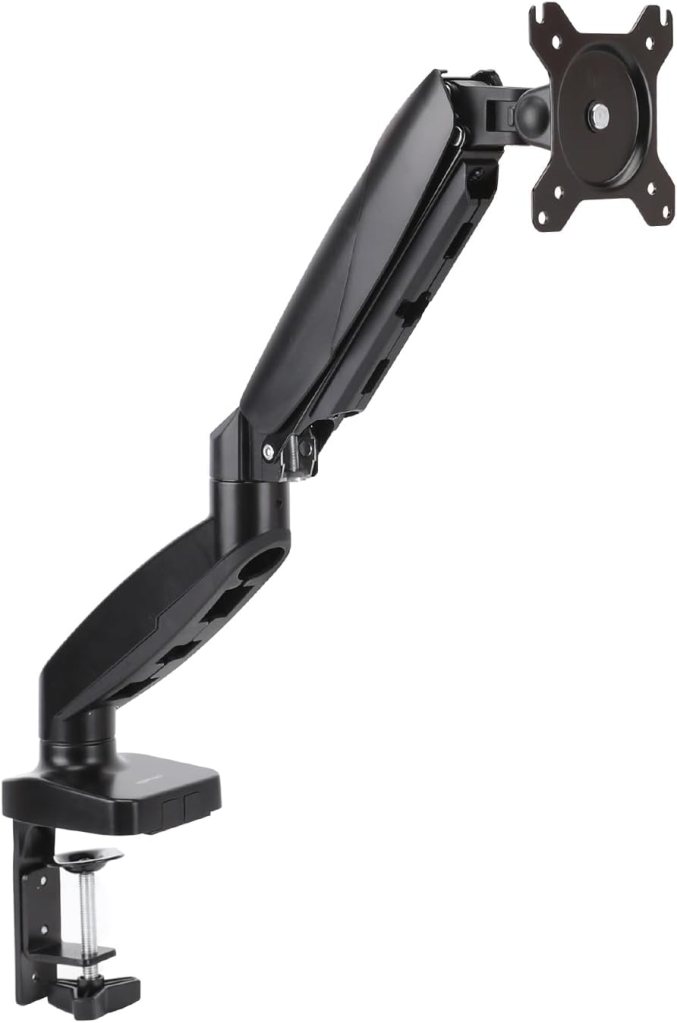
Single‑Monitor Gas‑Spring Arm: Compact and budget-friendly mount for one monitor.
✅ Step 4: Use Ergonomic Keyboard & Mouse
- Keep wrists straight, elbows at 90°
- Wrist pads work wonders for reducing strain integra8mbps.com
✅ Step 5: Add Anti‑Fatigue Mat & Cable Management
Standing on a soft anti‑fatigue mat made long hours much less tiring, plus cable trays kept my desk clutter‑free .
✅ Step 6: Optimize Layout & Lighting
- Place monitor flush to glare-free light
- Keep keyboard/mouse centered and ergonomic
- Add a desk lamp with soft, indirect lighting for eye comfort
✅ Step 7: Take Smart Breaks
I set a timer to stand or walk every 45–50 minutes—an evidence-based best practice to prevent fatigue and maintain posture.
🔄 FAQ Section (Boosts SEO and user engagement)
Q: What height should an ergonomic desk be?
A: When seated, aim for elbows at lap level; adjust sit‑stand desk so forearms are parallel to the floor youtube.com scube-ergo.com integr8mps.com
Q: How often should I switch between sitting & standing?
A: It’s best to change positions every 30 to 60 minutes to keep your blood flowing and avoid muscle stiffness.
Q: Is a monitor arm necessary?
A: A monitor arm is a game‑changer—it declutters the desk and ensures the screen stays at ergonomic eye level.
🛒 Gear Roundup



🧭 Final Thoughts
Transforming my workspace using ergonomic principles didn’t just ease pain—it upgraded my creativity, concentration, and overall workflow. You can replicate the same success with the right setup and a few smart products.
If you’re serious about productivity and well‑being, this ergonomic desk setup is your ultimate toolkit.
✅ What You Should Do Next:
- Pick your setup style: budget vs electric sit‑stand.
- Grab your chair and monitor arm combo.
- Set up your workstation thoughtfully, maintain proper posture, and stick to regular break intervals.
- Let me know which product made the biggest difference for you!






Leave a comment